

The fool's licence and why your company needs one 👇
Every European court had a jester. Not for entertainment, but for survival. The 'fool in motley' was the only figure in the room permitted to say the unsayable—in a rhyme, a riddle, or a joke—and tell the king what no general or courtier would dare.
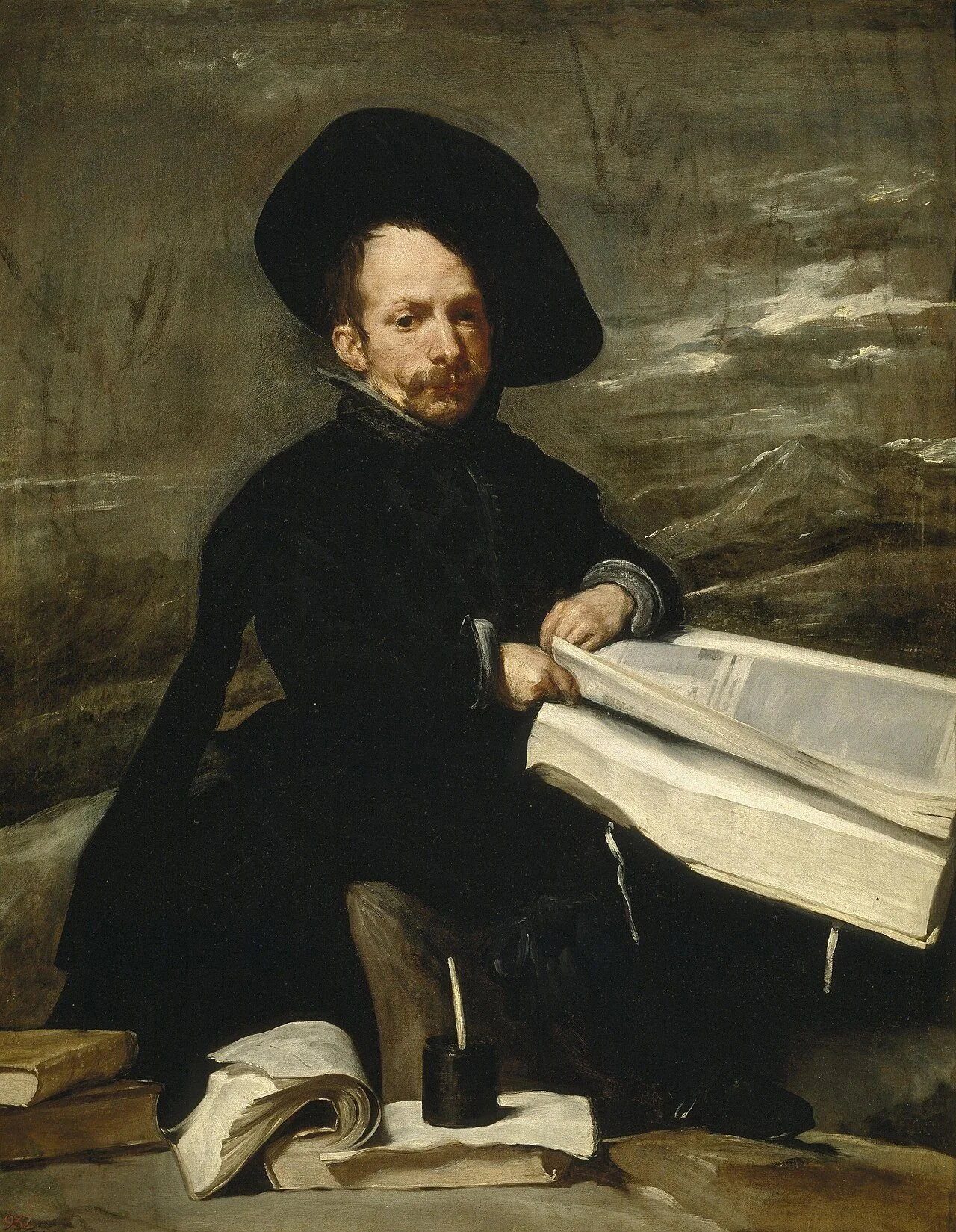
Look at Velázquez's painting of Don Diego de Acedo (left): this ain't no clown. He sits comfortably, an open book in his hands, a stark look in his eye. Jesters were men who saw everything and their presence wasn't limited to European courts. Many human civilisations invented one: Loki in the Norse court of the gods, Hermes in ancient Greece, Anansi in West African traditions.
Why? To protect power from its own blind spots. Power is isolating by design. The higher you go, the more everyone around you manages what they say. Left uncorrected, the gap between what is real and what leaders actually hear grows quietly, invisibly, until it becomes dangerous. Seen in this light, the jester is the fix—a way to ensure the truth reaches the throne. Like Hermes and Loki, jesters are threshold figures: they have access to the room, but are not part of the formal court.
The mechanism is precise: a joke crosses a social boundary, says what cannot be said, while denying the crossing happened. The king can choose to hear it as truth or as entertainment. Remove the joke and you remove the cover. And without cover, nobody says anything at all.
The question then is: what happens to courts—or scale-ups—when the jester leaves?
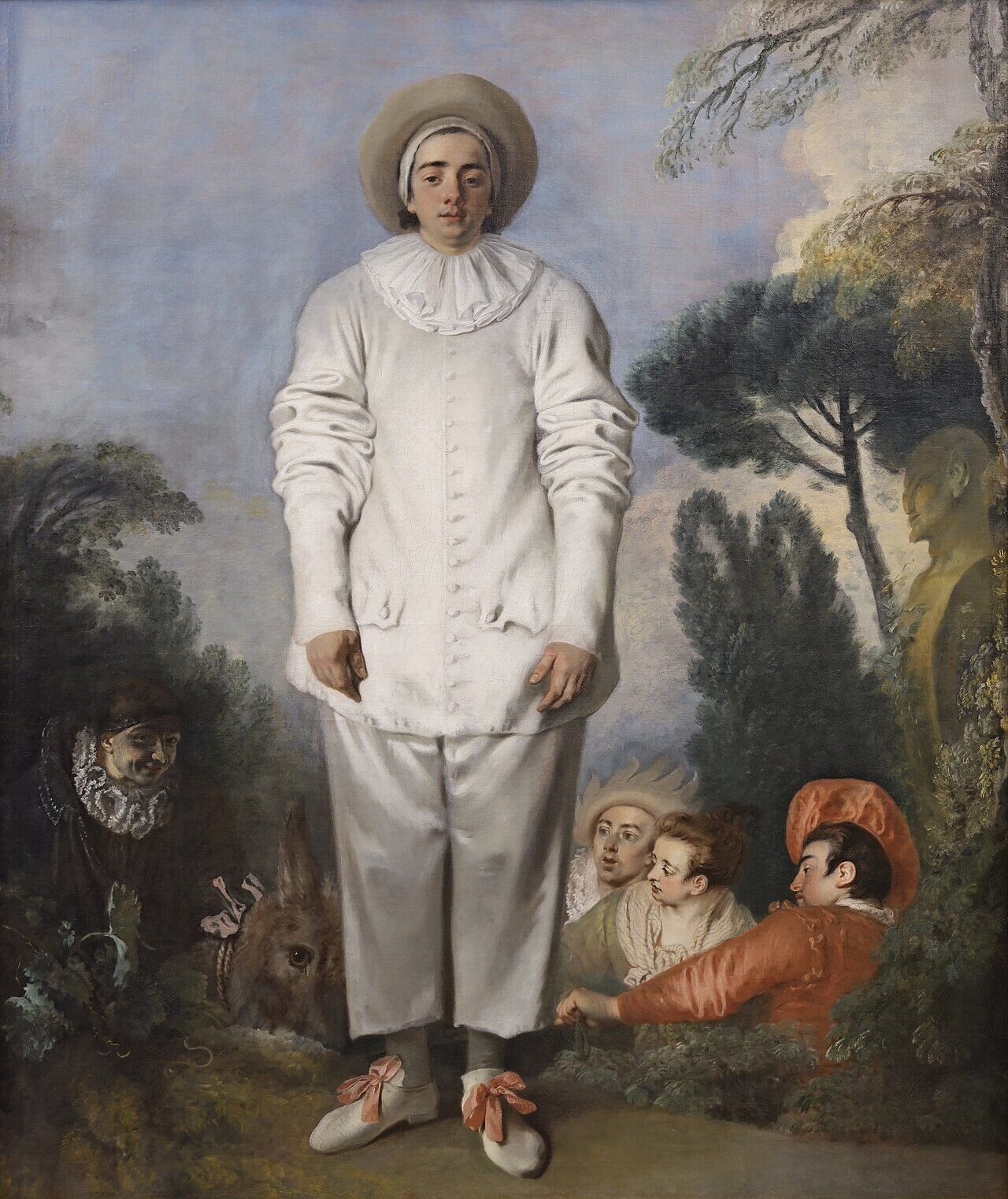
A generation after the courts let their fools go, Watteau painted Pierrot (right image). The Louvre calls him "an actor with no lines." Don Diego looked back at you. Pierrot stands there, awkwardly. He is still in costume, but seems muted.
I find this a sad transformation, because the truth doesn't leave with the jester. It goes underground and finds other exits: the cynical eye-roll to a co-worker during an All Hands, the company gossip mill that starts running over time. The cynicism or disengagement that becomes the culture.
None of these are as constructive as the original joke would have been. None of them give the organisation a chance to hear and act on it. They are the truth finding the only exit available.
Why does this matter for companies, in particular scale-ups? Because the jester doesn't keep power comfortable, but connected to what's actually happening. The tighter the runway, the more that connection is worth. During scaling, you're still proving the model, still climbing out of survival. The signal you don't hear this quarter is probably the one you needed most.
This post was originally published on LinkedIn. Laurie writes weekly reflections on leadership and business building—drawn from art, myth and literature. Follow her or FABRIC for more.
💌 Title: The fool's licence and why your company needs one.
🎭 Inspiration: The Trickster
🎨 Photos: El Bufón Don Diego de Acedo by Velázquez and Pierrot, known as Gilles by Watteau. Both public domain.