


The Double Gaze: What Janus, the Roman God of thresholds, teaches us about leadership and growth.
Growth gets celebrated, but it also asks leaders to let go of roles, habits and identities they worked hard for. Drawing on Janus, the Roman god of the threshold, this piece explores why insight alone rarely creates change, and how shifting from fear to desire helps leaders move forward.

The real reason your team isn't learning—and it's not time.
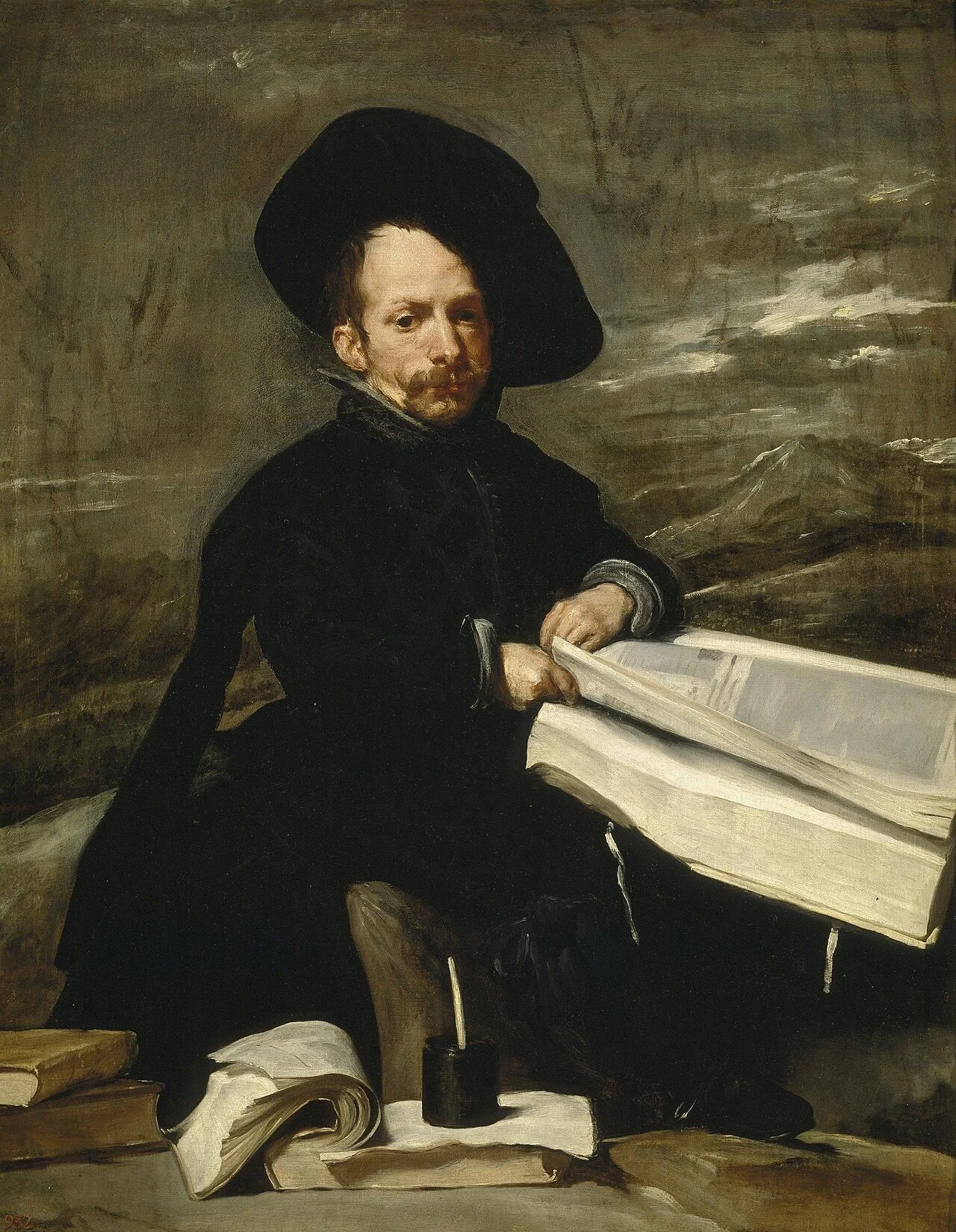
The fool's licence and why your company needs one 👇

The Rashomon Effect: When Competing Narratives Destroy Leadership Teams
When scale-up leadership teams carry different accounts of the same events, decisions stop being made on reality — and start being made on political capital. What Kurosawa's movie Rashomon teaches us about narrative, power and leadership team dysfunction.

What is the difference between startup culture and scale-up culture?
Most founders don't notice when their culture stops working. Here's how culture evolves across the three phases of scaling—and where it breaks.

The quiet power of not having all the answers.
When I started out leading teams, I thought being in charge meant always needing to have the answers. I felt the pressure to project confidence, to be the one with the plan, to know what to do. But over time, I realised that being silent, or simply asking questions, was often far more powerful.
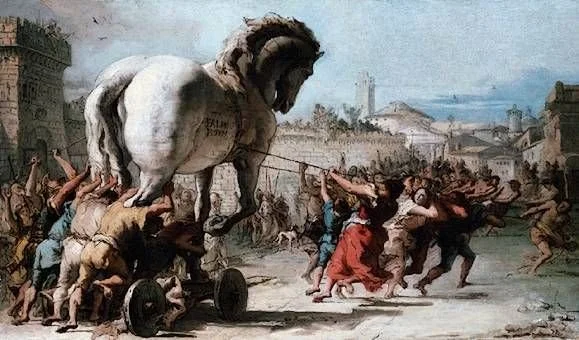
The most expensive person in your company is the one nobody listens to.
Every organisation has a Cassandra. Not the loudest voice in the room, but often the quietest. The analyst flagging churn data nobody wanted to see. The Head of People who named the cultural fracture in three consecutive board meetings and was thanked each time for raising it. They are not difficult or wrong. They are simply ahead of the room. And in a scale-up, that gap between being right and being heard can be existential.

When should a founder stop being the sole decision-maker?
Most Series A failures are not market, tech or product failures. In 80% of cases, companies fail because the leadership, culture and organisation couldn't carry the weight of what growth demanded. The funding was there. The ambition was there. The organisation was not.
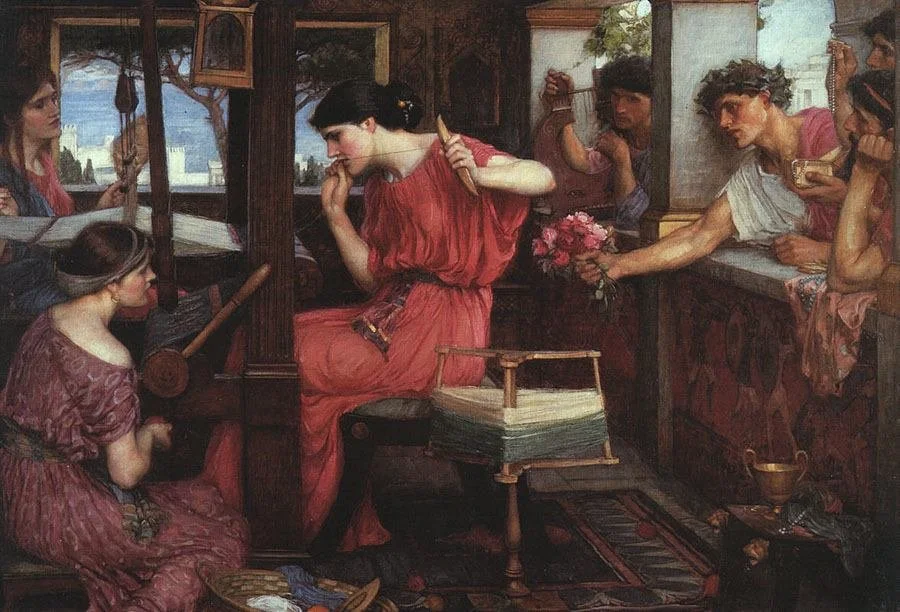
Penelope and the undersung scale-up COO

Why do scale-ups fail after Series A?
Most Series A failures are not market or product failures. In 80% of cases, companies fail because of poor management—the leadership, culture and organisation couldn't carry the weight of what growth demanded. The funding was there. The ambition was there. The organisation was not.

Your next hire will either build your culture—or break it.

Bruegel on exit chasing and unbridled ambition.
Like all the great myths and stories, the Tower of Babel is a deeply layered one.
At first, I planned to write about the difficulties that come with scaling a business from a tight founding team to a sizeable enterprise. New hires join, departments form, and one day you look around and realise that progress is slowing. Miscommunication creeps in. Sales is fighting with Product and Strategy becomes hazy. The glue that once held everything together has quietly dissolved. Nobody intended it. It just happened.
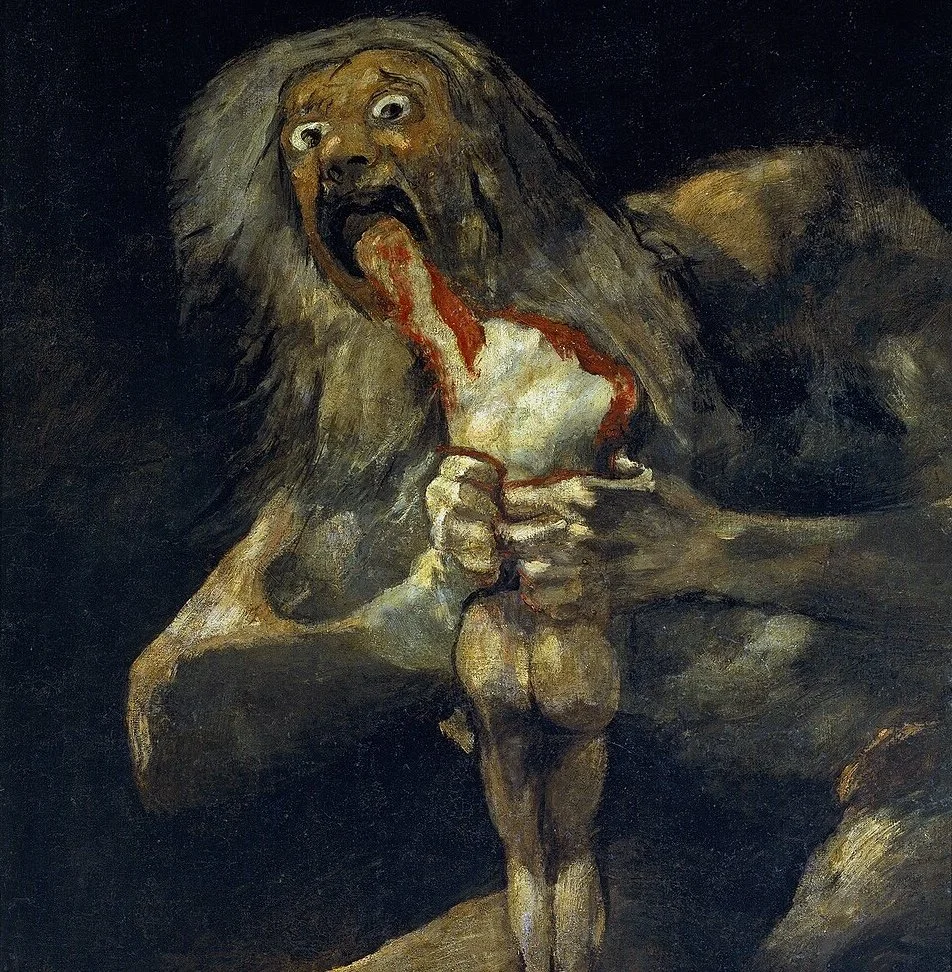
Goya and the founder who cannot let go.
A giant, devouring his own child. Eyes wide open. Terrified.
This isn't malice, if you ask me. No deliberate pain, or desire to destroy—but fear dressed up as control. Goya painted this on his bedroom wall: Saturn’s gaze is fixated on his son, but he doesn't appear cruel. He looks afraid of what he created, and completely unable to release it.

The real incentive: leading by example
To truly drive change, it's crucial to remove discrepancies between words and actions. By aligning leadership behaviour with organisational goals you can foster the desired behaviours and achieve lasting results.

The struggle of Team Management
If you’re managing a team and are struggling, you’re not alone. Although often underestimated, team management is a skill — one that takes time and effort to learn to do well.